 RUBIKSCORP
AI in factories
How to choose a company to help your factory use AI
Start with one production problem, then compare providers on site conditions, data readiness, pilot evidence and operator support. A useful proposal makes the work measurable before you commit to a rollout.
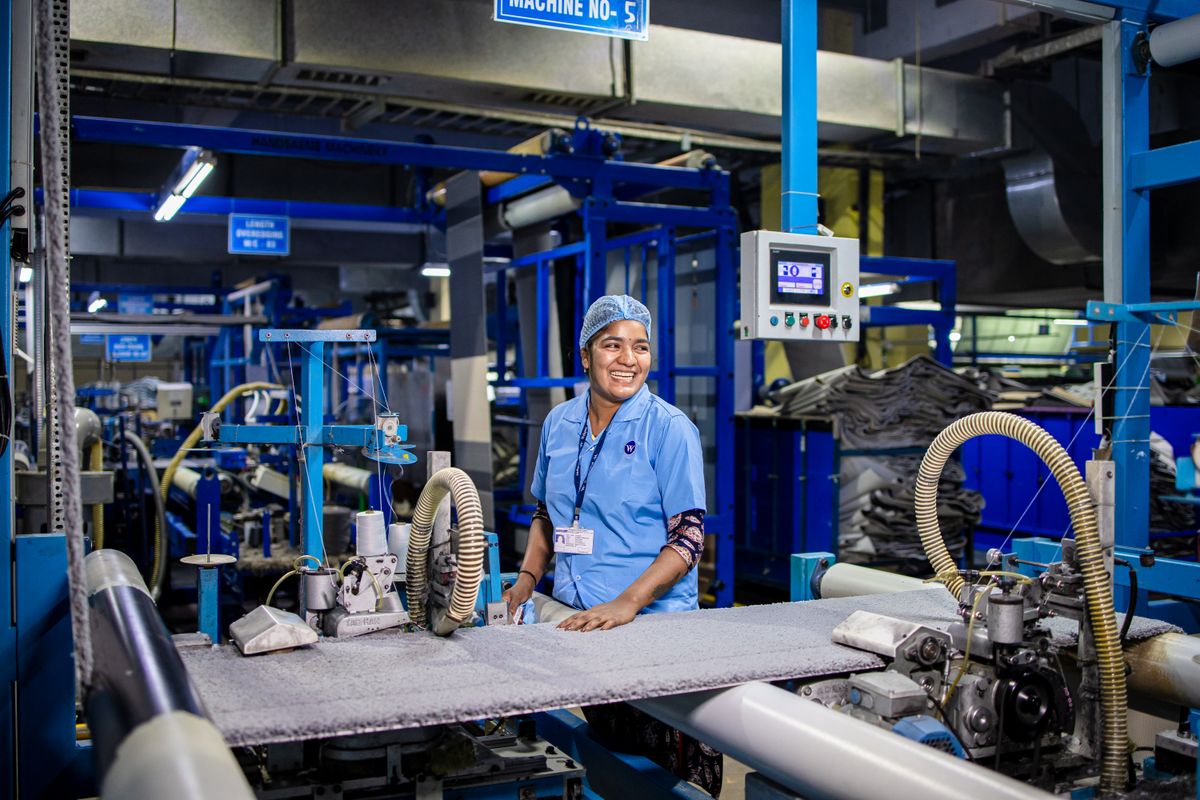
Compare factory AI companies on the work they will actually deliver
A factory does not need AI in every process. It needs a reliable way to improve a specific decision: how many items passed a point, which visible defects need attention, or why output fell during a shift. Before looking for an AI company, write down that decision, who owns it and how it is handled today. Record a baseline using existing counts, inspection records or downtime logs. This gives every provider the same problem to assess and makes proposals easier to compare. A company that asks about lighting, machine access, record quality and operator routines is collecting evidence for a useful scope.
What to check
- Ask for a discovery plan for your actual site. For camera counting or visual inspection, discuss camera position, lighting changes, item overlap, line speed and the defects that matter. Confirm whether a visit is needed and who will provide safe access.
- Ask what data is required and who owns it. Clarify collection periods, labels, permissions, missing records and whether production or customer data will leave your systems. A supplier should explain what can be assessed with the evidence you already have.
- Request a small pilot with written acceptance criteria. For counting, measure error across shifts and product types. For inspection, examine both missed defects and false rejects. Include a baseline and test cases separate from development examples.
- Compare the full scope rather than a headline price. Establish what covers discovery, hardware, installation, software, integration, review time and continued support. Ask which costs are fixed, estimated or dependent on the pilot results.
- Plan handover with the people who will operate the system. Identify the owner of alerts, the manual fallback, the conditions that trigger review and how model or camera changes will be tested.
What to change
Shortlist providers whose experience and proposed method fit your use case, then give them the same brief. Request a deliverable example or test-plan structure; a demonstration alone is not evidence of performance on your line. Agree the pilot boundary, fees, milestones and access arrangements in writing. Keep production changes under your site's normal approval and safety procedures. RUBIKSCORP is based in Pune and offers factory AI discovery and scoped pilots for production visibility and computer vision. An initial enquiry should describe your process and challenge rather than share sensitive records.
How to evaluate the result
Decide whether to continue using results from the conditions that matter to your plant. Compare the pilot with the baseline over representative shifts, materials and operating speeds. Record the cost of false alarms, missed events, manual review and ongoing maintenance alongside model accuracy. A technically promising pilot may still need a better data feed, revised camera placement or a simpler workflow. Ask for the evidence, limitations and remaining work before considering wider deployment.
What the result does not establish
A pilot is a limited evaluation. It does not establish that a system will work on every machine, product or future condition, and it does not automatically replace required safety or quality controls. Be cautious about guaranteed savings, universal accuracy claims or a rollout proposed before the data and site constraints have been reviewed. Choosing to collect better measurements or pause the project can be the right outcome.
Sources and notes
- NIST — AI Risk Management Framework
Primary-source background for this practical guide.
Read next
Have a specific question?
Tell us the task, the information available and what a useful result would look like.